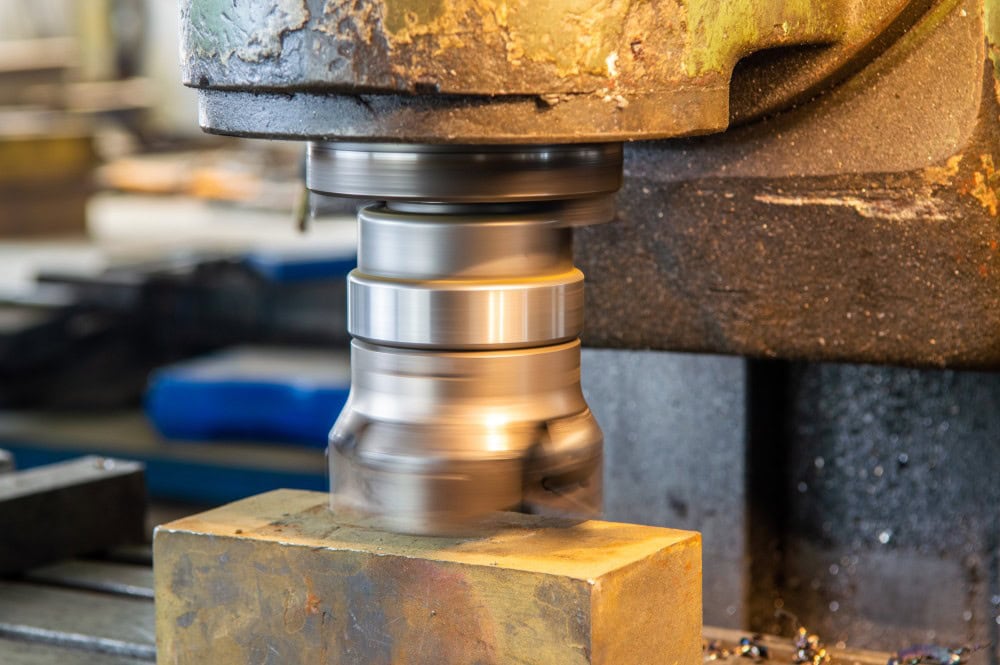
CNC Machining Tolerances: What Industrial Buyers Should Know
When industrial equipment fails, the cause isn’t always a broken component. Sometimes the problem starts much earlier, with a replacement part that doesn’t fit correctly in the first place. A shaft may be only a few thousandths of an inch too large to fit into a bearing. A mounting hole may be slightly out of…
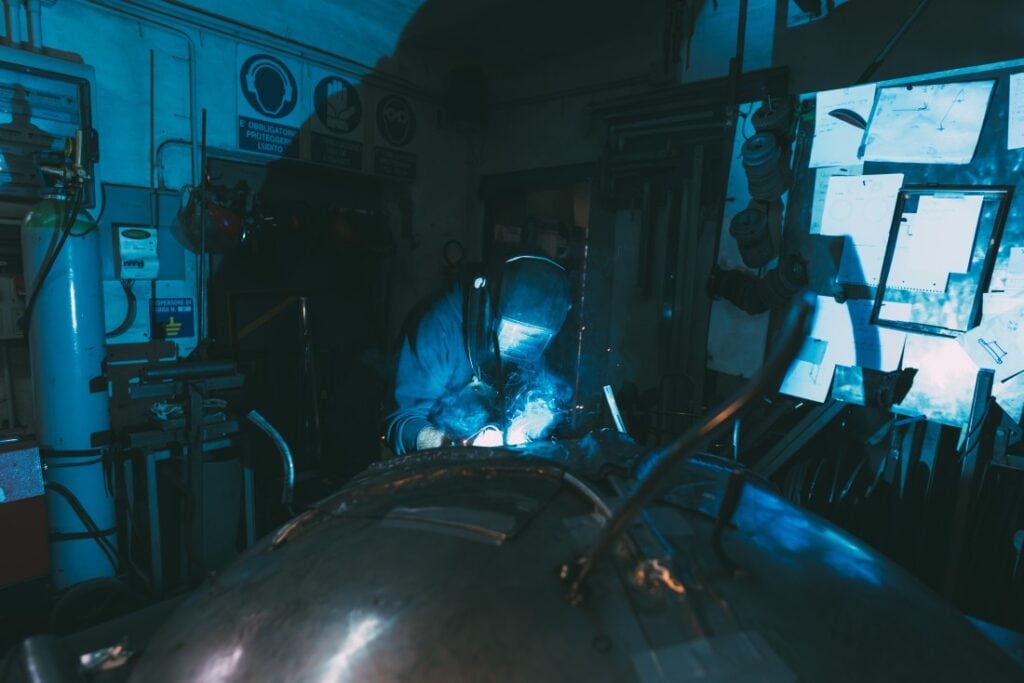
Pressure Vessel Repair: Common Issues, Risks, and Repair Options
A pressure vessel doesn’t fail all at once. It fails gradually, then suddenly. By the time a problem becomes visible on the outside, the vessel has often been operating with reduced structural integrity for far longer than anyone realized. Pressure vessels and boilers are built to recognized codes for a reason: they store real energy,…
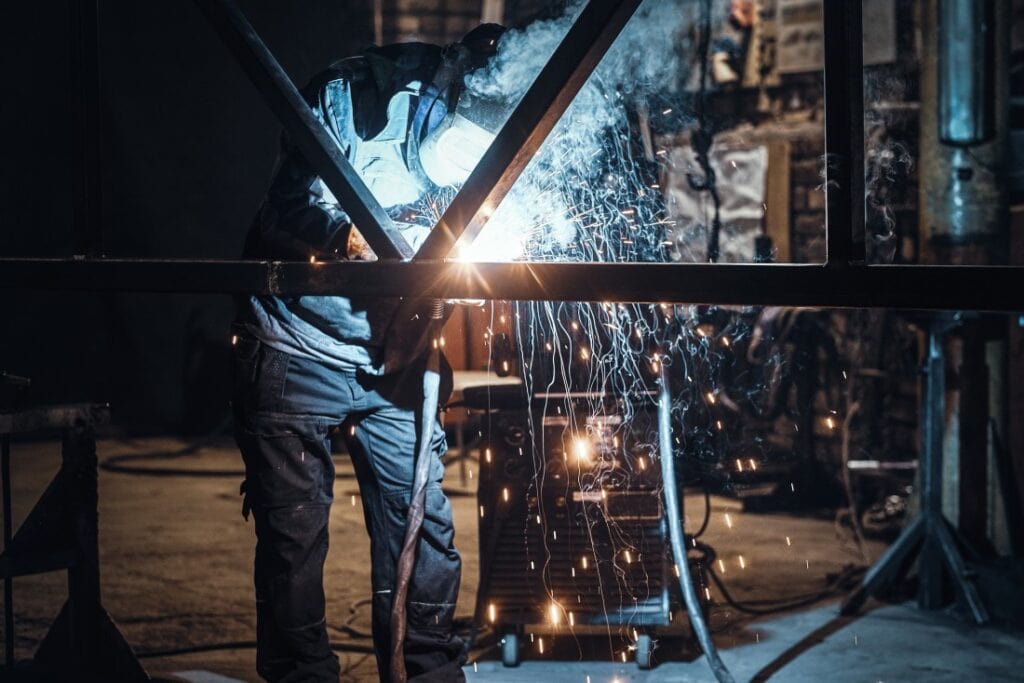
Structural Steel Fabrication for Industrial Facilities: What to Know
Structural steel is the backbone of modern industrial facilities, supporting everything from production equipment and process piping to platforms, mezzanines, and critical infrastructure. However, successful structural steel fabrication involves far more than cutting and welding steel. Every decision, from material selection and engineering to fabrication quality and installation planning, influences the long-term performance, structural integrity,…
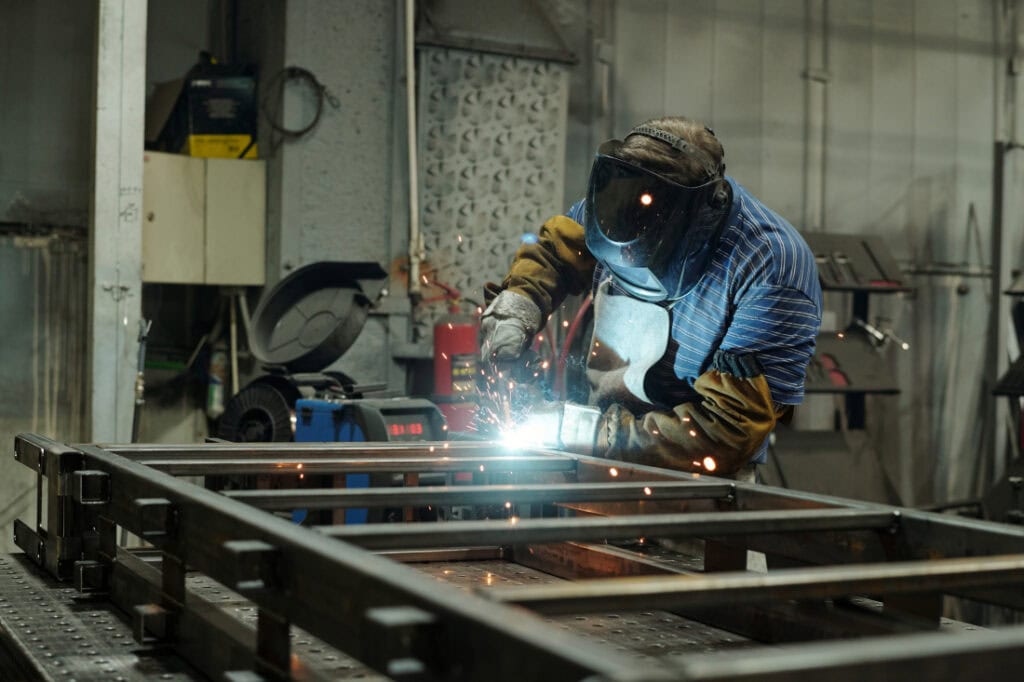
The Benefits of Working With an ASME Certified Fabrication Company
When you’re sourcing industrial fabrication, the highest cost isn’t always the quote. It’s the consequence of choosing wrong. A lower-cost fabrication partner may look attractive during procurement, but if the finished equipment fails inspection, lacks documentation, requires rework, or performs poorly under pressure, the real cost shows up later. It shows up in shutdowns, safety…

Epoxy vs Polyurethane: Which Coating Performs Best in Industrial Environments?
Epoxy and polyurethane coatings are both widely used in industrial settings, but they perform very differently under stress. Choosing the wrong system can lead to premature failure, higher maintenance costs, and compliance issues. This article compares epoxy vs polyurethane coatings across durability, chemical resistance, flexibility, cure time, and real-world performance to help you select the…

5 Benefits of Epoxy Flooring for Containment & Regulatory Compliance
Industrial facilities operate under constant pressure to maintain safety, control contamination, and meet strict regulatory standards. In environments with chemicals, heavy machinery, and continuous operations, the performance of the flooring system is critical to maintaining control. Industrial epoxy flooring isn’t just a surface upgrade. It’s a protective system designed to create a controlled, durable, and…
The Ultimate Guide to Industrial Coatings: Corrosion Protection, Compliance, and Asset Longevity
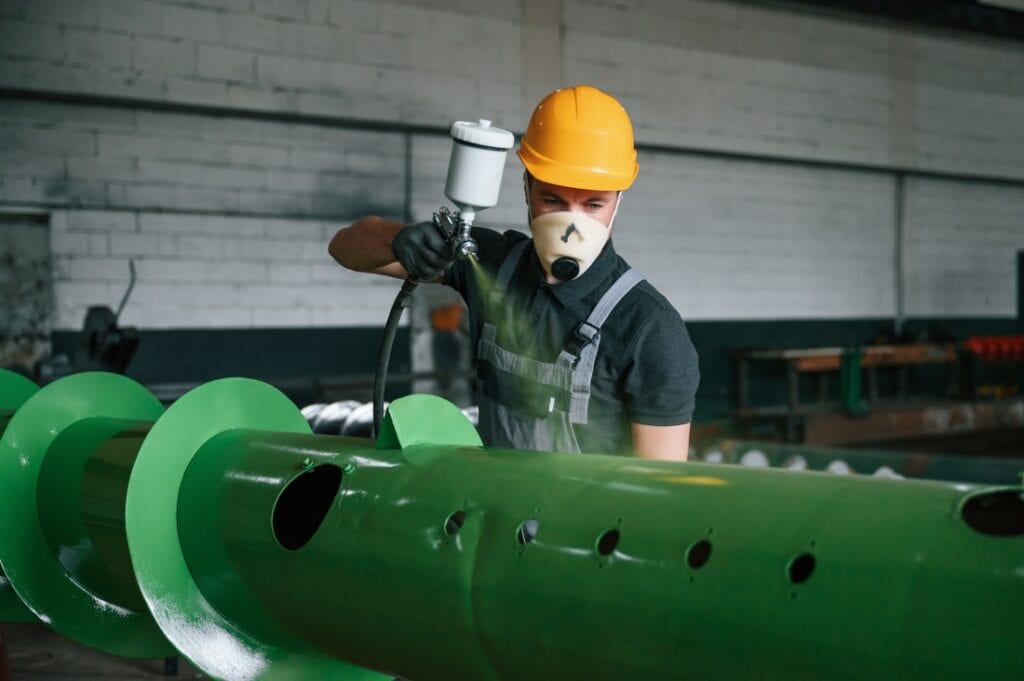
Industrial coatings are rarely noticed when they’re doing their job… but when they fail, the consequences are immediate and expensive. This ultimate guide breaks down how industrial coatings protect assets in demanding environments, reduce corrosion risk, and support compliance while extending service life. From tank linings to process floors, coating strategy directly affects uptime, safety,…
Heavy Metal Fabrication vs Equipment Replacement: Cost and Downtime Comparison
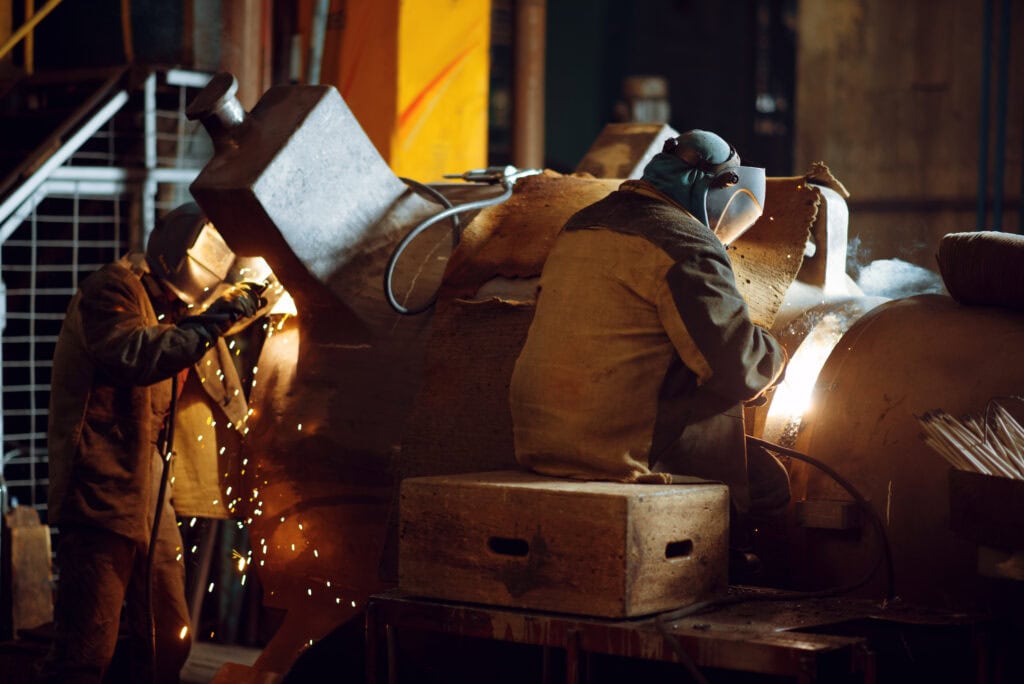
When industrial equipment reaches the end of its useful life, replacement often seems like the obvious solution. However, replacing major systems is rarely as simple as purchasing new machinery. Between installation requirements, system integration, and production interruptions, the total cost of replacement can quickly grow far beyond the initial purchase price. For many facilities, alternatives…
Industrial Tank Coatings: Benefits, Tank Failure, and Maintenance
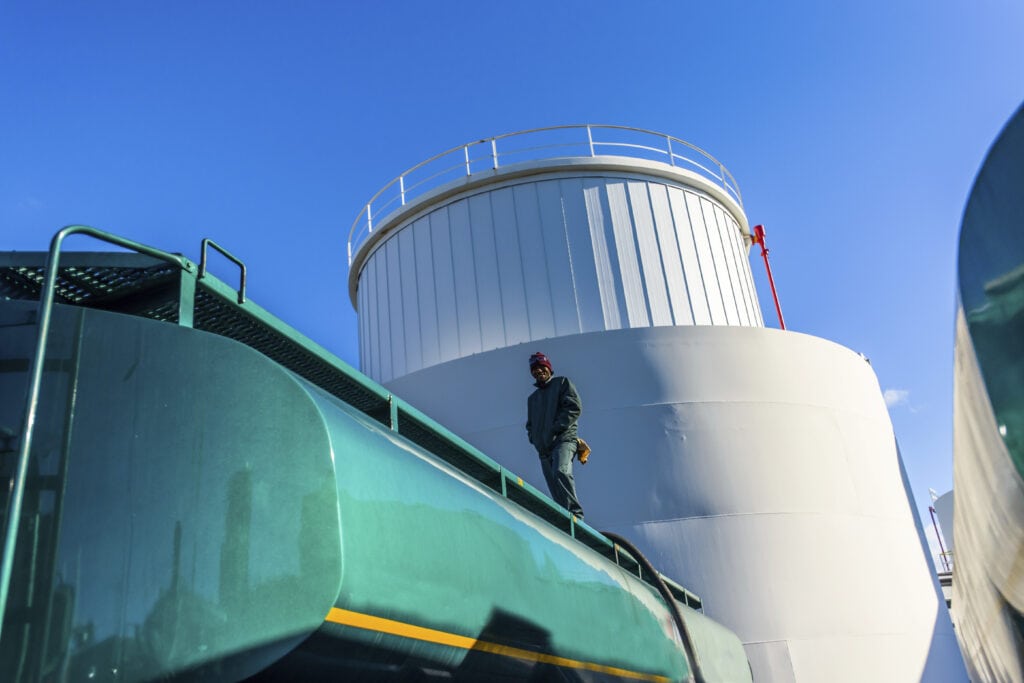
Industrial tanks are exposed to some of the harshest operating conditions, such as chemicals, pressure, moisture, and constant use. The problem is that when coatings fail, it’s almost always expensive. Coating failure can result in corrosion, leaks, contamination, or unplanned shutdowns that can cost up to $1.7 million per hour. In this article, we’ll explain…
Industrial Coatings Applications: Where Performance Matters Most
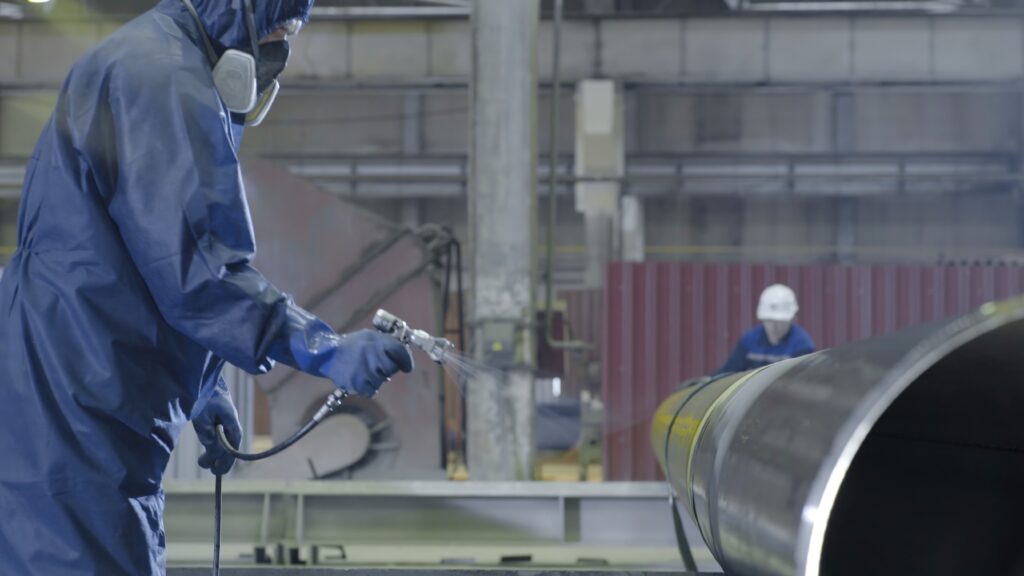
If you are responsible for plant reliability, engineering specifications, or facility maintenance, you already understand the pressure behind every coating decision. When coatings fail, the consequences ripple across operations: equipment downtime, unexpected maintenance costs, regulatory risks, and compromised product quality. Your job is not simply to select a coating product. Your responsibility is to protect…