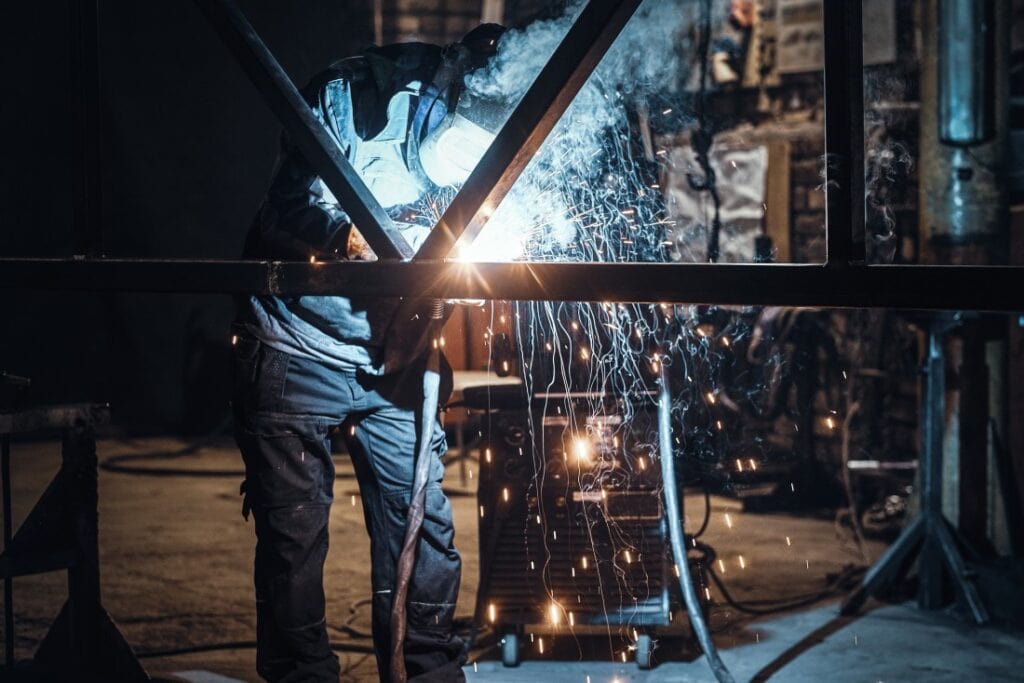
Structural steel is the backbone of modern industrial facilities, supporting everything from production equipment and process piping to platforms, mezzanines, and critical infrastructure. However, successful structural steel fabrication involves far more than cutting and welding steel. Every decision, from material selection and engineering to fabrication quality and installation planning, influences the long-term performance, structural integrity, and safety of the finished structure.
Whether you’re constructing a new steel building, expanding an existing facility, or replacing aging infrastructure, understanding the fabrication process can help reduce risk, improve project outcomes, and maximize your return on investment. This article explores how structural steel fabrication works, the factors that determine quality and cost, and what industrial facilities should evaluate before selecting a fabrication partner.
What Is Structural Steel Fabrication?
At its core, structural steel fabrication is the process of transforming raw structural steel into engineered components that become part of a larger building system.
While fabrication is often associated with cutting and welding, the process begins long before materials enter the shop floor. It starts with engineering drawings, shop detailing, material procurement, and careful planning to ensure every beam, column, and connection fits together as designed.
According to the American Institute of Steel Construction (AISC), successful fabrication requires close coordination between designers, fabricators, and erectors to ensure that every component can be manufactured, transported, and assembled safely. The organization’s Code of Standard Practice for Steel Buildings and Bridges establishes industry guidance on fabrication tolerances, quality requirements, and construction responsibilities to improve consistency across steel buildings and industrial construction projects.
Unlike commodity materials, structural steel is manufactured to meet specific mechanical and chemical requirements. Fabricators must consider factors such as member size, load requirements, connection details, coatings, and installation sequencing before the first cut is ever made. The result is a collection of precisely fabricated steel members that work together to create a durable, reliable, and cost-effective structural system.
How Structural Steel Supports Industrial Facilities
Industrial facilities place unique demands on their supporting infrastructure. Unlike commercial office buildings, industrial operations often require structures capable of supporting:
- heavy process equipment
- overhead piping
- cranes
- conveyors
- pressure vessels
- dynamic production loads.
Every steel frame, structural steel beam, and steel column must be designed with these operational realities in mind.
Their high strength-to-weight ratio enables engineers to create large, open workspaces while minimizing unnecessary material. This flexibility also makes structural steel an ideal solution for facility expansions, equipment retrofits, and custom process platforms where existing infrastructure must integrate with new systems.
The Structural Steel Fabrication Process
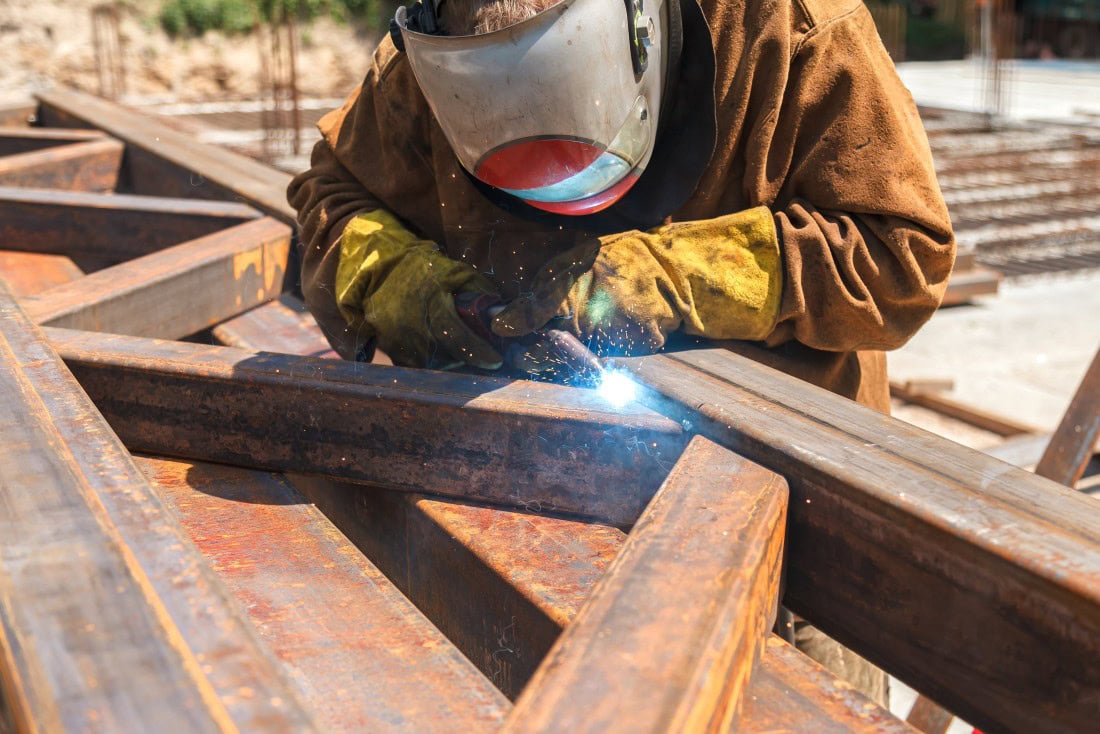
Although every industrial project is different, the overall fabrication process follows a similar sequence. It begins with an engineering review and shop detailing, during which fabrication drawings are developed from structural design documents.
These drawings specify:
- member dimensions
- connection details
- hole locations
- weld symbols
- bolt sizes
- assembly requirements
This ensures every component is manufactured accurately before production begins.
Once detailing is complete, raw structural steel moves into production. Depending on the application, members may undergo cutting, drilling, coping, beveling, and forming before final assembly. Modern fabrication shops use CNC equipment to improve precision, while processes such as hot rolling, machining, and automated cutting help maintain consistency across large production runs. During this stage, careful attention is paid to dimensions, shape, thickness, and connection geometry to ensure proper fit during field installation.
Fabrication then progresses into assembly, where steel beams, vertical steel columns, braces, and other steel members are fitted together using both welding and bolted connections. The American Welding Society (AWS) establishes widely recognized standards, including AWS D1.1, for structural welding practices, helping ensure weld quality and consistency across fabricated assemblies. Throughout production, inspections verify dimensions, weld quality, and overall conformance before finished components are prepared for delivery and eventual on-site erection.
Why Quality Matters Long Before Installation
Many of the most expensive structural problems do not originate during construction. They begin much earlier, during detailing, fabrication, or quality control.
The AISC Code of Standard Practice emphasizes that successful fabrication depends on maintaining appropriate tolerances throughout production. Small dimensional variations can accumulate across an entire steel frame, making proper fit-up increasingly difficult during installation. When this happens, crews spend valuable time modifying connections instead of assembling the structure, extending schedules and increasing labor costs.
But quality also extends beyond dimensions. Material traceability, inspection procedures, protective coatings, and documentation all contribute to long-term performance. Facilities operating in demanding industrial environments rely on fabricated components that can safely support design load, withstand environmental exposure, and integrate seamlessly into the overall building system.
Choosing a fabrication partner with proven engineering expertise and rigorous quality processes helps ensure the finished structure performs exactly as intended for decades to come.
Common Structural Steel Fabrication Challenges That Increase Cost
While most projects focus on material costs and schedules, many of the biggest delays actually stem from issues that could have been identified long before installation began.
One of the most common issues is coordination between structural steel and concrete work. Anchor bolts must align precisely with base plates, steel columns must transfer loads exactly as designed, and connection points must accommodate tolerances in both the steel and concrete systems.
If foundations are poured incorrectly or fabricated members do not match approved drawings, crews are often forced to modify components in the field. These adjustments increase labor costs, delay erection, and may require engineering review before work can continue.
Design changes made after fabrication has begun present another significant challenge. While custom design allows facilities to meet their specific requirements, revisions after materials have been ordered or members have been fabricated often require additional cutting, welding, machining, and material procurement. These changes not only affect the individual component but can also influence the sequencing of other trades working throughout the project.
Environmental conditions should also be considered during design and fabrication. Industrial steel structures may operate in corrosive environments, experience elevated temperatures, or support equipment that generates continuous vibration.
Choosing the Right Structural Steel Fabrication Partner
Selecting a fabrication partner should involve more than comparing quotes. While price is always a consideration, the long-term success of a steel building project depends on a fabricator’s ability to deliver quality, coordinate with project stakeholders, and manufacture components that fit correctly the first time.
Experienced fabricators understand that every building system is different. They review engineering drawings for constructability, identify potential conflicts before production begins, and work closely with project teams throughout the fabrication process. This collaborative approach helps reduce field modifications while improving installation efficiency and overall project outcomes.
How Schmidt Supports Industrial Structural Steel Projects
At Schmidt Industrial Services, structural fabrication is approached with the understanding that industrial facilities cannot afford unnecessary delays, poor fit-up, or equipment that fails to perform under real operating conditions.
Every fabrication project is built around the practical realities of industrial construction, where schedules are tight, downtime is costly, and long-term reliability matters just as much as initial installation.
Rather than focusing solely on individual components, Schmidt supports complete industrial projects through integrated fabrication, machining, repair, and protective coating capabilities. This allows project teams to coordinate multiple disciplines through a single partner, reducing communication gaps while improving overall project execution.
Whether supporting new steel buildings, equipment upgrades, or modifications to existing facilities, the goal remains the same: deliver fabricated components that fit correctly, perform reliably, and support long-term operational success.
Schmidt’s Impact in Industry Settings
The Problem
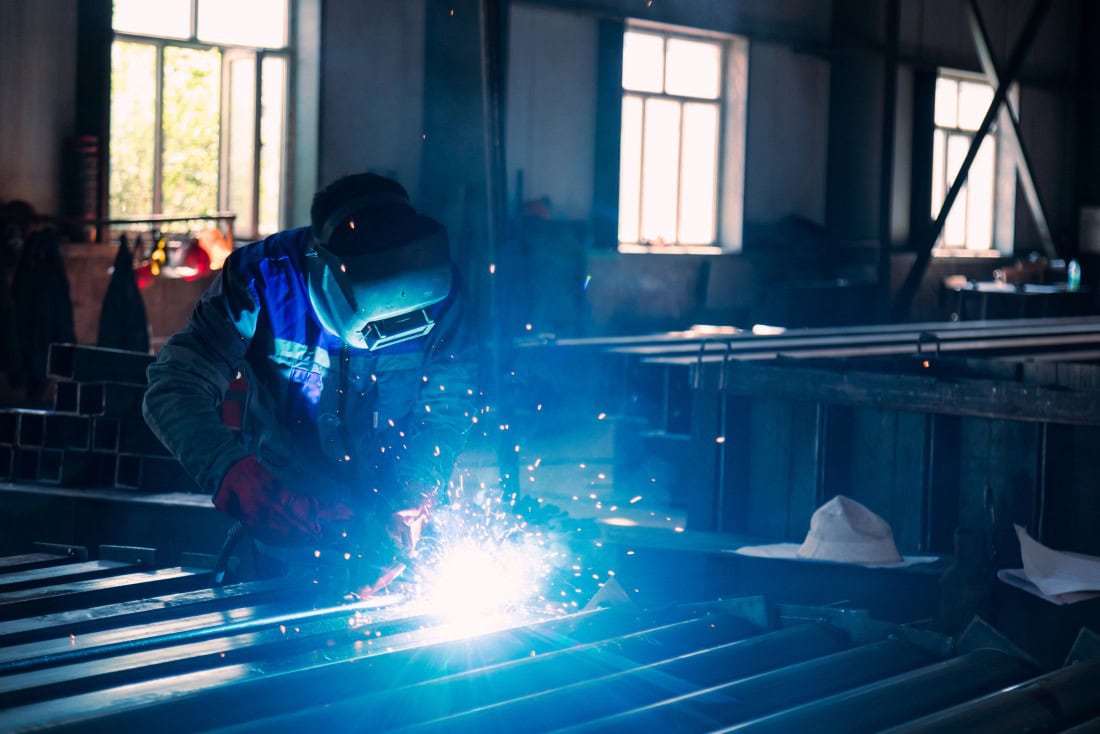
A circular economy waste-processing plant needed a custom carbon-steel deck built to the exact specifications of its process engineering design. This was not an off-the-shelf component. The deck had to integrate seamlessly into the plant’s material-handling system while standing up to some of the harshest operating conditions in industrial processing: constant heavy-duty friction from abrasive waste streams and relentless vibration from surrounding equipment.
The plant’s engineering team had a clear vision on paper, but they needed more than a fabricator who could simply cut and weld to a drawing. They needed a true manufacturing partner, one who could collaborate with their engineers, pressure-test the design against real-world fabrication constraints, and deliver a finished part durable enough to keep the plant running without unplanned downtime.
The Solution
Schmidt Industrial worked side by side with the plant’s engineering team from design review through final delivery. Rather than treating the drawings as a fixed input, our team engaged early to align the design intent with proven fabrication methods, ensuring the deck could be built efficiently without compromising the process engineering requirements that underpinned its design.
We fabricated the deck from heavy-gauge carbon steel, selected and worked for maximum resistance to wear. Every weld, joint, and structural detail was executed with the plant’s operating environment in mind: sustained friction from moving material and continuous vibration transmitted through the plant’s processing line. The result was a custom deck built precisely to design, engineered to perform, and ready to install.
The Advantage
The plant got exactly what it was looking for: a durable, custom-fabricated component that fits its process like it was born there, because it was. By partnering with Schmidt Industrial, the customer avoided the compromises that come with adapting standard parts to a specialized process and gained a deck built to endure years.
Final Thoughts
Successful structural steel fabrication is measured long after the final beam is installed. While fabrication quality certainly influences construction schedules, its greatest impact is seen over decades of operation through improved durability, reduced maintenance, and dependable structural performance.
Every steel frame represents thousands of engineering decisions, fabrication steps, inspections, and quality checks that work together to create a safe and reliable structure. When those processes are properly managed, industrial facilities benefit from stronger infrastructure, more predictable project outcomes, and assets capable of supporting changing operational demands well into the future.
For owners, engineers, and project managers, selecting the right fabrication partner is one of the most important decisions made during any industrial project. The right partner contributes far more than fabricated steel. They provide engineering insight, manufacturing expertise, quality assurance, and the experience needed to deliver structures that perform exactly as intended.
If your next project requires custom structural steel fabrication, heavy industrial components, or integrated fabrication services, Schmidt Industrial Services has the experience and capabilities to deliver durable solutions tailored to your operational requirements.
Continue Learning About Industrial Fabrication
If you’re planning an upcoming structural steel project or evaluating fabrication partners, these resources can help you make more informed decisions: