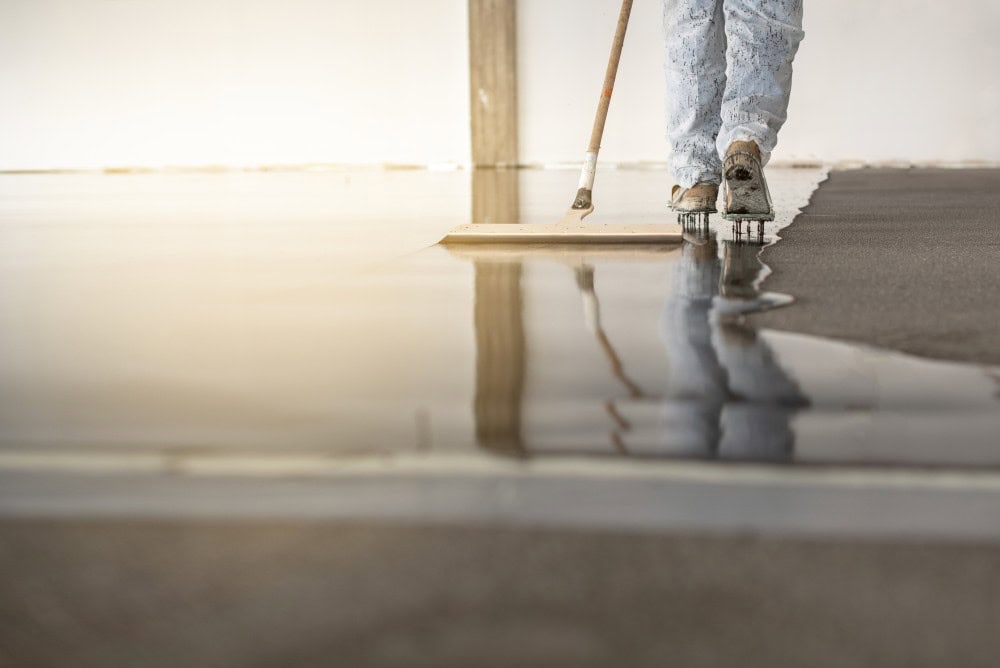
Epoxy and polyurethane coatings are both widely used in industrial settings, but they perform very differently under stress. Choosing the wrong system can lead to premature failure, higher maintenance costs, and compliance issues. This article compares epoxy vs polyurethane coatings across durability, chemical resistance, flexibility, cure time, and real-world performance to help you select the best option for your environment.
What you’ll learn:
- Performance differences between epoxy and polyurethane coatings
- How chemical exposure, impact, and flexibility affect coating choice
- Where each coating system performs best in real-world conditions
- How to avoid premature coating failure through proper selection
Epoxy vs Polyurethane: Why the Difference Matters in Industrial Environments
In industrial environments, coatings are not decorative finishes. They are protective systems designed to preserve infrastructure, maintain compliance, and reduce operational risk. The difference between epoxy and polyurethane becomes especially important in facilities exposed to chemicals, abrasion, moisture, thermal cycling, or heavy traffic.
Both epoxy coatings and polyurethane coatings are high-performance systems, but they are engineered with different strengths. Epoxy systems are typically chosen for adhesion, chemical resistance, and substrate protection. Polyurethane systems are more commonly selected for flexibility, UV resistance, and long-term surface durability in exposed environments.
The problem is that many facilities treat them as interchangeable, but they aren’t. A coating that performs exceptionally well inside a containment area may fail quickly under UV exposure. Likewise, a coating designed for flexibility may not deliver the same chemical resistance or bond strength required in aggressive industrial environments.
This is why coating selection must be approached as a system-level decision, not simply a product comparison. Coating selection becomes far more effective when facilities understand how different coating systems function across real industrial environments.
In “Industrial Coatings Applications: Where Performance Matters Most,” we break down how coating systems are used across tanks, containment systems, structural steel, flooring, and process infrastructure.
What Epoxy Coatings Do Best
Epoxy Resin Systems Prioritize Bond Strength and Chemical Protection
Epoxy coatings are based on epoxy resin technology, a class of thermosetting polymers that form a hard, tightly bonded protective surface once cured. These systems are known for their ability to chemically bond to properly prepared concrete surfaces or steel substrates, creating a dense, protective barrier with excellent adhesion.
This strong bond is one of the biggest advantages of epoxy. Once the curing process is complete, epoxy creates a highly durable surface that resists chemical exposure, moisture intrusion, and surface degradation. This makes epoxy a preferred choice for:
- Containment systems
- Process areas
- Industrial floors
- Chemical storage environments
- Manufacturing facilities
- Wastewater systems
In many environments, epoxy is selected because of its superior chemical resistance. Properly engineered epoxy formulations can withstand exposure to acids, alkalis, fuels, oils, and industrial cleaning agents that would rapidly degrade traditional floor coatings.
In “How Industrial Coatings Prevent Corrosion in Chemical Plants,” we explore how coating systems are engineered to protect assets exposed to chemicals, moisture, and continuous operational stress.
Epoxy Build Coats Create Thickness and Long-Term Protection
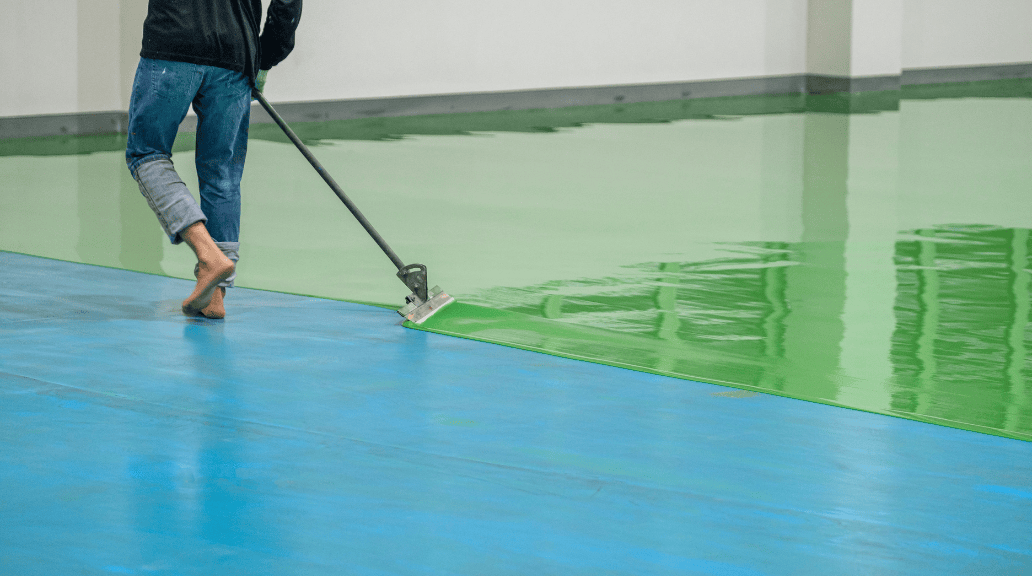
One major advantage of epoxy systems is the ability to apply multiple epoxy build coats to achieve increased film thickness and long-term durability. These build coats allow facilities to create a more substantial protective barrier capable of withstanding heavy use and prolonged exposure to harsh conditions.
This is especially important on concrete floors where moisture, abrasion, and chemical attack gradually deteriorate untreated surfaces. Thick-film epoxy systems help protect the underlying concrete substrate while also reducing maintenance frequency over time.
Additionally, epoxy systems are often capable of filling small blemishes, surface irregularities, and even certain hairline cracks during installation. Self-leveling epoxy systems are particularly effective in creating smooth, seamless industrial flooring surfaces that are easier to clean and maintain.
Where Epoxy Performs Best
Epoxy systems are commonly the ideal choice in environments where:
- Chemical exposure is severe
- Surface adhesion is critical
- Moisture protection is required
- Heavy machinery or equipment traffic is present
- Long-term substrate protection is the priority
Examples include:
- Chemical processing plants
- Wastewater treatment facilities
- Food manufacturing environments
- Secondary containment systems
- Industrial maintenance facilities
In these environments, epoxy’s ability to form a rigid, protective barrier provides major long-term advantages.
What Polyurethane Coatings Do Best
Polyurethane Coatings Prioritize Flexibility and Surface Durability
While epoxy systems excel in adhesion and chemical resistance, polyurethane coatings are typically selected for their flexibility, impact tolerance, and resistance to environmental wear. Unlike rigid epoxy systems, polyurethane materials remain more elastic after curing, allowing them to better absorb movement and physical stress.
This flexibility becomes valuable in environments where:
- Thermal expansion occurs
- Surfaces experience vibration or movement
- Equipment creates repeated physical impacts
- UV exposure is constant
Because polyurethane systems are more flexible, they generally provide better impact resistance and are less likely to crack under dynamic stress.
Polyurethane Flooring Performs Better Under UV Exposure
One of the biggest weaknesses of epoxy is poor UV stability. Standard epoxy systems often discolor, chalk, or degrade when exposed to direct sunlight over time. This is where polyurethane flooring systems become extremely valuable.
Polyurethane coatings offer significantly better:
- UV resistance
- Color retention
- Gloss retention
- Weathering performance
This makes polyurethane a common topcoat in environments where aesthetics, sunlight exposure, or outdoor durability matter.
Examples include:
- Exterior structures
- Parking facilities
- Outdoor industrial environments
- Warehouses with natural light exposure
- High-visibility commercial settings
Many industrial coating systems use epoxy and polyurethane together, applying epoxy build coats underneath with a polyurethane topcoat above for UV stability and abrasion protection. In “What Causes Corrosion and How to Fix It,” we explain how moisture, UV exposure, chemicals, and environmental conditions accelerate corrosion and infrastructure failure.
Polyurethane Systems Provide Strong Abrasion Resistance
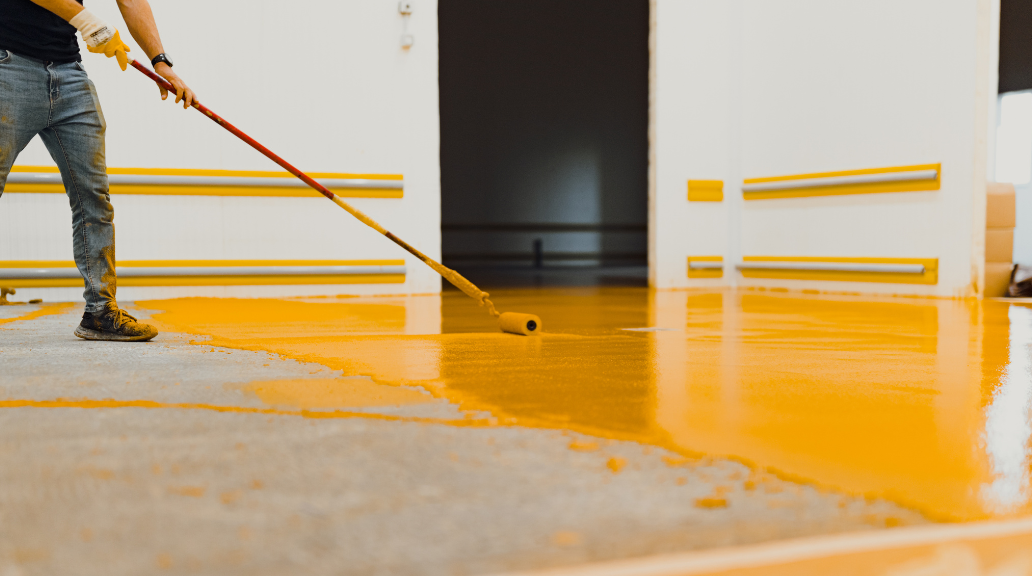
Polyurethane coatings are also widely recognized for excellent abrasion resistance. Their flexible properties help surfaces absorb repeated wear without fracturing or breaking down as quickly under traffic.
This makes polyurethane especially effective in:
- High-traffic floors
- Logistics facilities
- Automotive environments
- Commercial spaces
- Areas exposed to repeated equipment movement
In these environments, polyurethane systems often maintain appearance and performance longer than rigid epoxy systems.
Epoxy and Polyurethane Are Often Used Together
One of the biggest misconceptions in industrial coatings is that facilities must choose one system over the other. In reality, many of the best-performing flooring and containment systems combine both materials.
A common approach includes:
- Epoxy primer for adhesion
- Multiple epoxy build coats for thickness and chemical protection
- Polyurethane topcoat for abrasion resistance and UV stability
This layered approach allows facilities to leverage the specific properties of both systems simultaneously.
For example:
- The epoxy layers provide bond strength and chemical protection
- The polyurethane layer improves flexibility, surface wear resistance, and long-term appearance
The result is a more balanced protective system engineered around real operating conditions.
The Application Process Matters More Than Most Facilities Realize
Even the highest-quality coating materials fail when the application process is poorly executed. Most premature coating failures are caused not by the coating chemistry itself, but by improper preparation, environmental conditions, or installation mistakes.
Proper installation begins with substrate preparation. Concrete surfaces must be clean, dry, and mechanically profiled to ensure strong adhesion. Contaminants, moisture, or improperly prepared substrates can compromise the entire system immediately.
Additionally, coating performance is heavily influenced by:
- Temperature during installation
- Humidity levels
- Curing time
- Film thickness
- Surface preparation quality
This is why professional installation is critical in industrial environments where coating failure carries operational and financial consequences.
Heat Resistance, Moisture, and Real-World Environmental Stress
Environmental conditions play a major role in coating performance. Some systems may perform well chemically but fail under extreme temperatures or repeated thermal cycling.
Epoxy systems generally provide strong chemical and moisture resistance but may become brittle under certain conditions. Polyurethane systems tend to remain more flexible and impact-resistant over a wider temperature range.
Facilities operating in:
- Hot process environments
- Freeze-thaw conditions
- Outdoor infrastructure
- Washdown facilities
must evaluate not just chemical exposure, but also how coatings respond to environmental stress over time.
The ability to withstand temperatures, moisture exposure, abrasion, and physical impacts is what ultimately determines long-term performance.
Choosing the Right Coating System Requires Environment-Specific Thinking
There is no universally “best” coating between epoxy and polyurethane. The correct choice depends entirely on:
- Exposure conditions
- Surface type
- Operational demands
- Chemical contact
- UV exposure
- Maintenance requirements
- Long-term performance goals
Epoxy systems may be the preferred choice for chemical containment and substrate protection. Polyurethane systems may be better suited for exposed environments requiring flexibility and abrasion resistance.
The key is understanding how the entire system performs under real operating conditions. Coating failure is rarely caused by a single issue; it’s usually the result of environmental exposure, material degradation, and system-level breakdown over time.
In “Industrial Tank Coatings: Benefits, Tank Failure and Maintenance,” we take a deeper look at how coating systems fail, how deterioration progresses, and how facilities can extend long-term asset life through proper maintenance strategies.
How ERS Supports Industrial Coating Systems
Through Engineered Resin Solutions (ERS), Schmidt Industrial Services provides industrial coating systems designed for aggressive industrial environments where performance, containment, and durability are critical.
ERS supports facilities with:
- Industrial flooring systems
- Corrosion protection
- Containment coatings
- Abrasion-resistant systems
- Epoxy and polyurethane applications
- Infrastructure rehabilitation
Unlike contractors focused only on coating application, ERS approaches projects from a system-level perspective, combining surface preparation, substrate evaluation, repair expertise, and engineered coating selection to deliver long-term performance.
The Best Coating System Is the One Built for the Environment
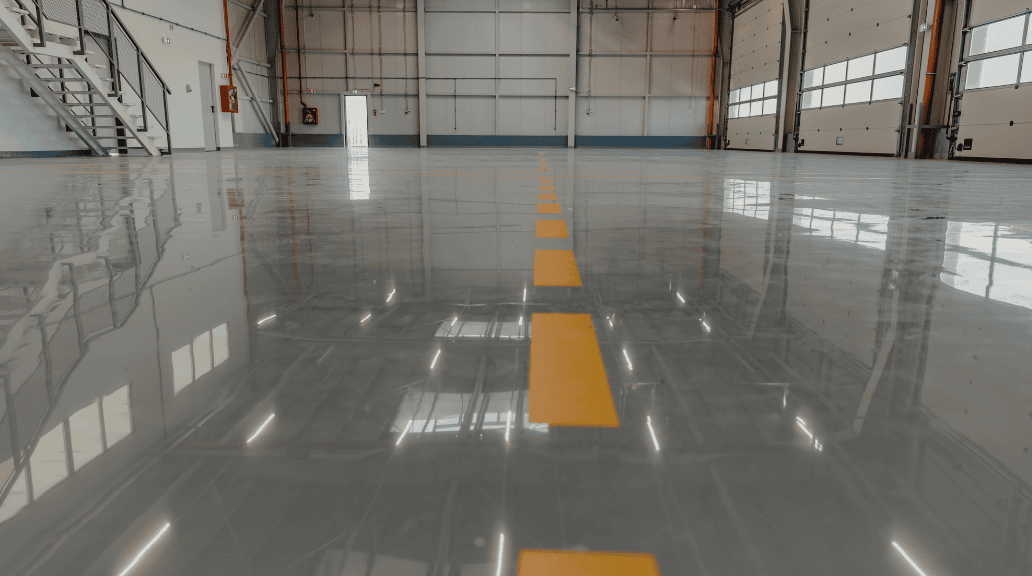
The debate around epoxy vs polyurethane often misses the bigger issue. The goal is not selecting the “strongest” product. The goal is to select the right system for the actual operating environment.
When coatings are matched correctly to the conditions they face, facilities gain:
- Better durability
- Longer service life
- Reduced maintenance costs
- Improved compliance
- Stronger asset protection
When they are not, failure begins much earlier than most teams expect. The difference is rarely the product alone. It is the system design behind it. Contact Schmidt Industrial Services to evaluate your coating environment and build a system designed for long-term performance.