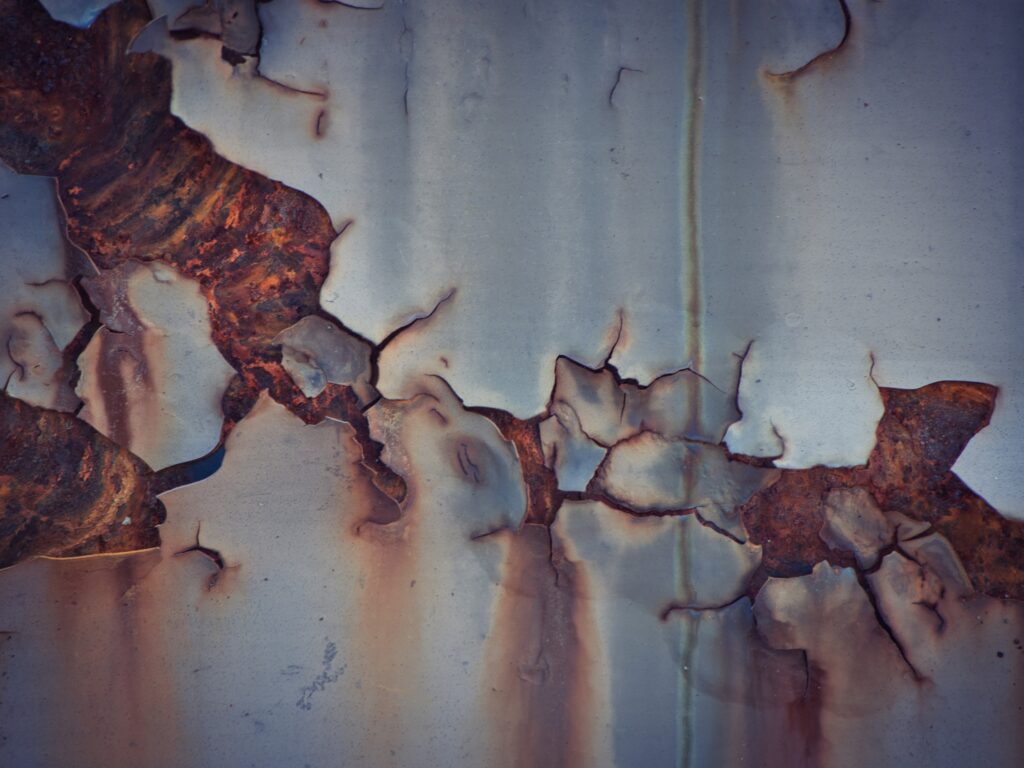
Corrosion rarely announces itself until damage is already done. By the time leaks, thinning walls, or coating failures appear, the underlying cause has often been working quietly for years.
The problem is that in industrial environments, corrosion is not just a cosmetic issue. It’s a reliability problem, a safety risk, and often a major cost driver. When corrosion progresses unchecked, it can compromise structural integrity, contaminate products, damage equipment, and force expensive downtime.
This article explains what causes corrosion, how it develops in real operating conditions, and what industrial teams can do to repair damage and prevent it from returning.
Table of Contents
- What Causes Corrosion
- Metal Surface Degradation
- Main Types of Corrosion
- Surface Preparation
- How to Prevent Corrosion
- Corrosion Never Takes a Break. That’s Why Our Protection Can’t Either.
What Causes Corrosion
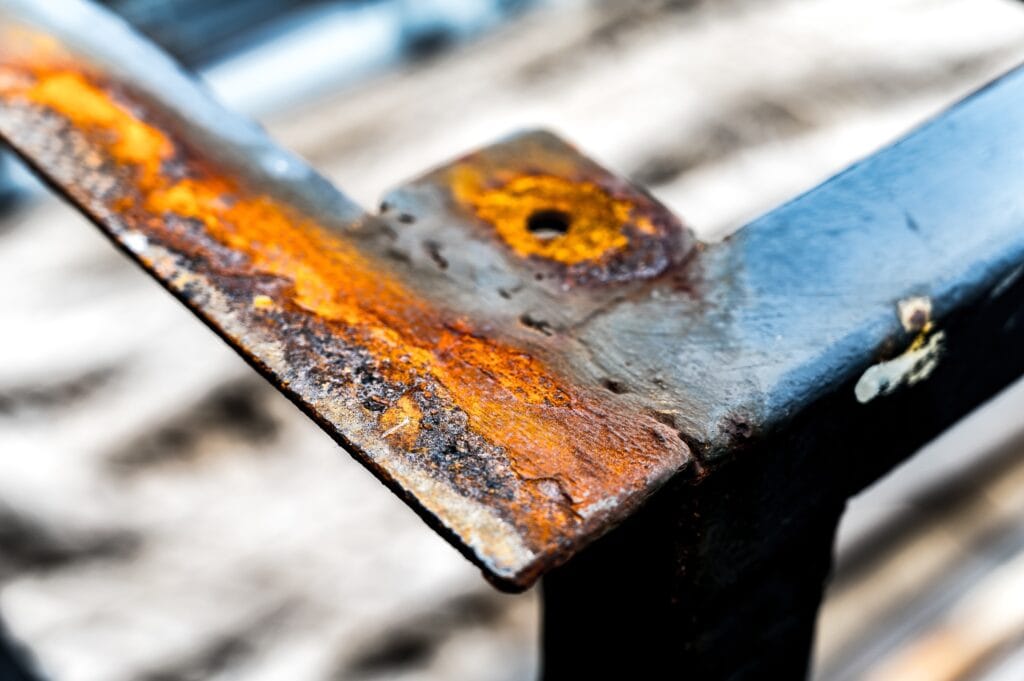
At its core, corrosion is an electrochemical reaction between metals and their surrounding environment. When metals are exposed to oxygen, moisture, chemicals, or other reactive substances, the metal surface begins to break down. Over time, this reaction forms oxides, rust, or other corrosive compounds that weaken the material’s structure.
In industrial settings, corrosion rarely has a single cause. Instead, it develops from a combination of environmental exposure, material properties, and operating conditions.
Electrochemical Reactions and Metal Breakdown
Corrosion occurs when a metal reacts with oxygen or other substances in the presence of an electrolyte, often moisture, humidity, or chemical fluids. This reaction allows electrons to move between areas on the metal surface, gradually breaking down the material.
For example:
- Iron and steel react with oxygen and moisture to produce rust
- Copper can form oxide layers or corrosion compounds when exposed to air and chemicals
- Aluminum forms protective oxide layers, but may still degrade under certain chemical conditions
These electrochemical processes often accelerate in the presence of acids, salts, or industrial chemicals. Once the reaction begins, corrosion can spread rapidly across exposed metal surfaces.
Environmental and Chemical Exposure
Industrial environments create ideal conditions for corrosion to develop. This s because equipment is often exposed to:
- Humidity and moisture
- Airborne chemicals or corrosive vapors
- Temperature fluctuations
- Corrosive liquids or acids
- Abrasive particles
Additionally, in chemical plants, refineries, wastewater facilities, and manufacturing operations, the presence of corrosive materials dramatically increases corrosion levels. Tanks, pipes, structural steel, and process equipment are constantly exposed to chemicals that corrode metal surfaces.
Over time, these environmental conditions cause corrosion to develop quietly…until the damage becomes visible or a system failure occurs.
Metal Surface Degradation
The condition of the metal surface plays a major role in how quickly corrosion develops. Once corrosion begins, it can spread unevenly across the surface, creating pits, cracks, and structural weaknesses.
In the next sections, we’ll outline how corrosion progresses on metal surfaces. Understanding this process helps maintenance teams detect problems early and intervene before equipment fails.
Surface Damage and Corrosion Initiation
Corrosion often begins at microscopic defects on the metal surface. Scratches, weld seams, abrasions, or incomplete coatings can expose the underlying metal to oxygen and moisture.
When these areas become exposed, electrochemical reactions begin immediately. Over time, this leads to pitting corrosion, surface oxidation, or rust formation.
This is especially common in equipment that experiences:
- Abrasion from materials handling
- Repeated cleaning cycles
- Exposure to aggressive chemicals
- Mechanical stress or vibration
Even small imperfections in the surface can allow corrosion to spread beneath coatings or inside structures.
Corrosion in Tanks, Pipes, and Structural Equipment
Certain industrial assets are particularly vulnerable to corrosion because they operate in constant contact with fluids or chemicals.
Common examples include:
- Tanks and vessels storing corrosive liquids
- Pipes carrying chemical substances or water
- Heat exchangers exposed to thermal stress and fluid contact
- Structural steel exposed to weathering or humidity
When corrosion develops inside a container, tank, or pipe system, it often remains hidden until severe damage has already occurred. Storage tanks are especially vulnerable to corrosion because they remain in constant contact with water, chemicals, or stored substances.
Facilities evaluating long-term tank performance often consider both materials and coating systems, which we explore further in Everything You Need to Know About Water Storage Tanks.
Main Types of Corrosion
Not all corrosion develops the same way. Different industrial conditions produce different forms of corrosion, each requiring a specific repair or prevention strategy.
Understanding the main types of corrosion will help you to identify the underlying cause before it leads to larger problems.
Uniform Corrosion and Rust Formation
Uniform corrosion is the most common form of corrosion. It occurs when the entire metal surface reacts evenly with oxygen or chemical substances. This is typically seen as rust or oxide layers forming across steel structures exposed to air and moisture.
While uniform corrosion is easier to detect, it can still be highly destructive. Over time, the metal thickness decreases, weakening equipment structures and reducing performance.
Localized Corrosion and Structural Damage
Localized corrosion occurs in specific areas rather than across the entire surface. Examples include:
- pitting corrosion
- crevice corrosion
- galvanic corrosion between different metals
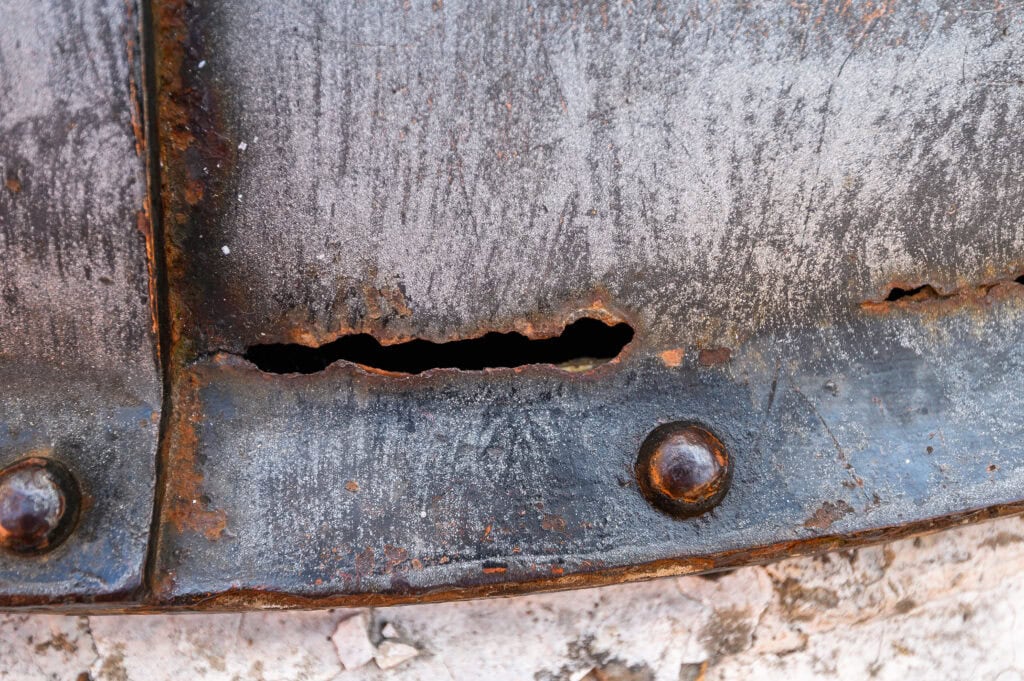
These forms of corrosion can be more dangerous because they create concentrated damage in small areas. For example, a pipe system might appear structurally sound, but a localized corrosion pit could eventually lead to a leak or rupture.
In many cases, localized corrosion is triggered by chemical exposure, uneven coatings, or contact between dissimilar metals.
Surface Preparation
When corrosion damage is discovered, one of the most critical steps in repair is surface preparation. Without proper surface preparation, even the best coating systems will fail prematurely.
Industrial surface preparation removes corrosion products, contaminants, and deteriorated coatings, enabling protective systems to bond properly to the metal surface.
Why Surface Preparation Determines Coating Performance
Protective coatings rely on strong adhesion to the underlying material. If the metal surface is contaminated with rust, oils, salts, or moisture, the coating may fail to bond correctly.
This can lead to coating delamination, blistering, or premature corrosion beneath the coating layer.
Proper surface preparation typically includes:
- abrasive blasting
- chemical cleaning
- removal of oxidized metal layers
- drying and environmental control
When done correctly, surface preparation dramatically improves corrosion resistance and extends the lifespan of protective coatings.
Preparing Corroded Equipment for Repair
In many industrial environments, surface preparation must be performed on equipment that cannot easily be removed or replaced.
This includes tanks, pipes, containment areas, and large structures.
Experienced industrial teams often use specialized blasting equipment, containment systems, and environmental controls to prepare surfaces safely and effectively while minimizing downtime. Proper surface preparation ensures that repair coatings perform as designed and provide long-term protection.
How to Prevent Corrosion
While corrosion cannot be eliminated, it can be controlled and significantly slowed with the right strategies. Successful corrosion prevention usually involves a combination of material selection, protective coatings, and environmental control.
Selecting Suitable Materials for Corrosive Environments
Choosing the right materials is the first step in corrosion prevention.
Different metals have varying levels of corrosion resistance depending on their chemical properties. For example:
- Stainless steel offers improved resistance in many environments
- Aluminum forms oxide layers that protect the surface
- Copper alloys resist certain chemical exposures
However, no material is completely immune to corrosion. Even corrosion-resistant alloys require proper coatings and maintenance in aggressive industrial environments. The Complete Guide to Industrial Metal Fabrication: Processes, Applications, and Industry Standards explains how forming, welding, and material selection influence corrosion resistance and equipment lifespan.
Protective Coatings and Industrial Corrosion Control
Protective coatings create a barrier between the metal surface and the surrounding environment. These coatings prevent moisture, oxygen, and corrosive substances from reaching the metal.
Industrial coating systems are designed to resist:
- chemical exposure
- moisture and humidity
- high temperatures
- abrasion and mechanical wear
In many industries, coatings are the most effective way to prevent corrosion and extend equipment life.
When applied correctly, a high-performance coating system can protect tanks, pipes, and equipment for years while maintaining safety and performance. In fact, protective coatings are among the most effective strategies facilities use to control corrosion on industrial equipment. Our guide on How Industrial Coatings Prevent Corrosion explains how coating systems create a barrier that protects metal surfaces from moisture, oxygen, and chemical exposure.
Corrosion Never Takes a Break. That’s Why Our Protection Can’t Either
At Schmidt Industrial Services, our industrial coatings division, Engineered Resin Solutions (ERS), delivers advanced epoxy coatings, food-safe linings, and corrosion protection systems engineered to extend equipment life, safeguard tank interiors, and maintain uninterrupted production.
Industrial Coating Designed to Boost Your ROI
Industrial Coatings & Tank Protection
Our epoxy coatings and corrosion-resistant systems protect steel substrates from moisture, chemicals, abrasion, and extreme service environments. From pressure vessels and heat exchangers to cooling towers and structural steel, we extend service life and prevent tank failures before they start.
Chemical-Resistant Linings & Spill Containment
For highly corrosive applications, we apply specialized chemical-resistant coatings and design secondary containment systems that meet regulatory requirements and protect critical assets across refineries, chemical plants, and wastewater facilities.
Surface Safety and Structural Rehabilitation
Food-Safe Linings & Sanitary Compliance
In food and beverage operations, surface safety is critical. We apply FDA and NSF-approved coating systems that eliminate bacterial harbor points while maintaining sanitary processing conditions. In food and beverage facilities, corrosion control must also meet strict sanitation and regulatory standards. Material choice becomes especially important; we explore this in The Ultimate Guide to Food Processing Equipment: Types, Materials, and Industries.
Concrete, Flooring & Structural Rehabilitation
Our industrial flooring systems resist chemical exposure, heavy equipment, and abrasion. We also perform concrete resurfacing and waterproofing to extend structural lifespan.
Emergency Repair and Rapid Surface Protection
Leak Repair, Surface Prep & Emergency Services
When corrosion damage becomes urgent, our team responds quickly. We perform abrasive blasting, resin injection, tank rehabilitation, pipe lining, and structural repairs to restore performance without the need for complete equipment replacement.
Conclusion
Corrosion is a silent but destructive force in industrial environments. It develops through a combination of moisture, oxygen, chemical exposure, and material conditions, slowly weakening metal surfaces until equipment performance and safety are at risk.
Understanding what causes corrosion is the first step toward controlling it. With proper material selection, effective surface preparation, and high-performance protective coatings, facilities can prevent corrosion before it leads to costly failures.
At Schmidt Industrial Services, our Engineered Resin Solutions (ERS) team helps industrial operations repair corrosion damage, protect critical equipment, and extend the life of tanks, pipes, and infrastructure, so your operation stays reliable, efficient, and protected.