
While storage tanks aren’t the flashiest part of their facility, when they fail, you notice it. Problems can get expensive fast. Downtime, contamination, meeting regulations, and repairs add up fast.
That’s why choosing the right tank, material, and maintenance plan can save you from hundreds of future problems and unexpected costs.
At Schmidt Industrial Services, we’ve built, repaired, and maintained water storage tanks for a range of industries. That means we know what works, what doesn’t, and where companies often need more guidance before making big tank decisions.
This guide provides plant managers, maintenance teams, and operations leaders with clear, actionable guidance on selecting, maintaining, and improving water storage tanks to keep operations running smoothly.
Here’s what we’ll cover:
- The main types of water storage tanks and where each one fits best
- How tank material selection impacts durability, safety, and compliance
- Key maintenance practices to extend tank lifespan and reduce downtime
- Real-world lessons from decades of industrial tank fabrication and repair
By the end, you’ll have a straightforward roadmap to help you choose the right tank, prevent costly failures, and plan for long-term reliability.
Types of Water Storage Tanks
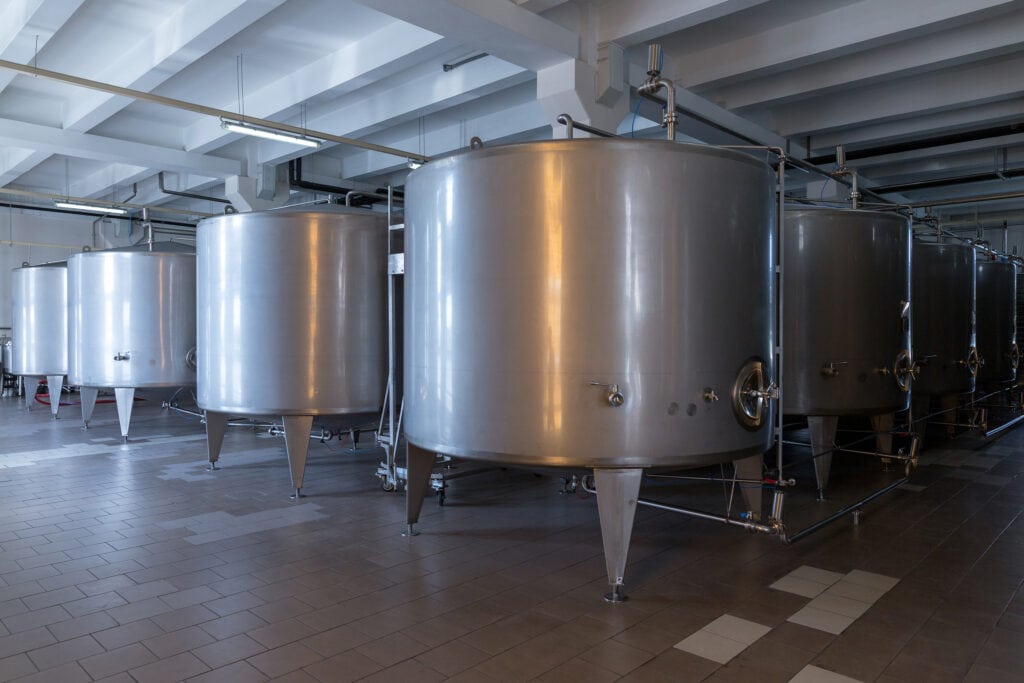
Not all water storage tanks are created equal. Choosing the wrong one can quietly erode your budget over time. Each design is tailored for specific applications, including water processing, fire suppression, potable supply, and industrial reuse.
Common Tank Types:
- Carbon Steel Tanks: These tanks are strong and suitable for high-pressure applications. Best utilized for industrial and chemical plants. However, they need coatings and rust prevention for long-term use.
- Stainless Steel Tanks: More rust-resistant but pricier. They’re great for industries needing high-purity water or food-grade processes.
- Aluminum Tanks: Light and resistant to certain chemicals, though not as durable in demanding environments.
- Epoxy-Coated Tanks: Steel tanks with epoxy combine cost savings with protection for metal.
- Concrete and Fiberglass Tanks: Often used in fixed locations, but are harder to correct or change later.
At Schmidt, we specialize in engineered solutions that combine the right materials, geometry, and coating systems, ensuring tanks are designed to meet both operational and compliance needs.
How Corrosion Happens (and How to Stop It)
Corrosion isn’t just rust; it’s chemistry in motion.
When metal surfaces come into contact with water, oxygen, or chemicals, an electrochemical reaction begins, breaking down the protective barrier that keeps your tank intact.
In an industrial setting, these reactions accelerate with:
- High temperatures
- Chloride-rich water or cleaning agents
- Improper coating application
- Poor maintenance or inspection intervals
Corrosion Protection Systems
- Protective Coatings: As the first line of defense, Schmidt applies epoxy and zinc-based coatings to steel substrates, providing a physical and chemical barrier against corrosion.
- Cathodic Protection: A secondary layer of defense, where a small electrical charge or sacrificial zinc anode prevents oxidation on the tank’s metal surfaces.
- Proper Surface Prep: Even the best coatings fail without adequate surface preparation. Schmidt ensures every substrate is blasted, cleaned, and inspected before application.
The combination of these techniques helps protect your equipment, extend tank life, and prevent contamination in plants that depend on clean water or process reliability.
Picking the Right Tank Material
Choosing the right material for your water storage tank comes down to three things: environment, contents, and compliance. Each material works well in different contexts, and the wrong choice leads to rust, extra coating costs, or even contamination.
Indoor or Controlled Environments
For indoor spaces, carbon steel with epoxy is a practical, cost-friendly choice.
Why it works:
- Carbon steel has excellent structural strength for large-capacity tanks
- Epoxy coatings provide strong corrosion protection
- Ideal for plants where humidity and chemical exposure are minimal
Best used for:
- Processing water storage
- Fire suppression or general utility systems
- Industrial equipment wash stations
Outdoor or Coastal Environments
In coastal or wet areas, stainless steel is often a better choice.
Why it works:
- Natural corrosion resistance, no need for external coatings
- Long-term durability even in chloride-heavy environments
- Low maintenance requirements over decades of service
Best used for:
- Outdoor storage or exposed tank systems
- High-humidity plants and coastal industries
- Water treatment and power generation facilities
Chemical and Wastewater Applications
For chemical handling or wastewater systems, zinc-rich epoxy-coated steel offers reliable barrier protection.
Why it works:
- Resists aggressive chemicals and harsh environments
- Provides strong adhesion between coating and metal surfaces
- Compatible with cathodic protection systems for extra safety
Best used for:
- Industrial and municipal wastewater storage
- Plants with heavy chemical cleaning or high pH exposure
- Facilities needing extended corrosion protection
Potable Water and Food-Grade Applications
When hygiene and purity matter most, epoxy-lined steel or aluminum tanks are the top choices.
Why it works:
- Easy to clean and sanitize
- Fully compliant with potable water and food-grade standards
- Smooth surface finish minimizes contamination risks
Best used for:
- Food and beverage processing plants
- Potable water systems and rinse tanks
- Equipment where purity and cleanliness are mission-critical
The Importance of Maintenance and Inspection
Preventive maintenance is what separates a 10-year tank from a 30-year one.
Routine Maintenance Checklist:
- Check Coatings: Look for bubbles, cracks, or worn spots.
- Test Cathodic Systems: Change zinc parts or adjust power as needed.
- Clean Often: Remove sediment that causes rust under the buildup.
- Keep Records: Maintenance logs support meeting rules and help plan repairs.
Our ERS (Engineered Resin Solutions) division supports plants with recoating, relining, and inspection services, often restoring aging tanks without complete replacement. The proper maintenance tools, such as ultrasonic testing and surface holiday detection, allow us to pinpoint damage before it spreads.
Pro Tip: Every day a leak goes unaddressed, repair costs increase exponentially. Early intervention is always cheaper than emergency replacement.
Partnering with Schmidt Industrial Services
When it comes to water storage tanks, Schmidt isn’t just a vendor; we’re a long-term partner.
Our integrated divisions (Fabrication, Precision Machining, and Industrial Coatings) work together to provide complete lifecycle services. We fabricate steel and aluminum tanks, apply advanced epoxy coatings, perform on-site inspections, repairs, and recoats that keep your operation compliant and efficient.
Every tank we build or service is designed for safety, longevity, and performance. And real results speak louder than theory…
In 2024, Schmidt completed 18 custom-fabricated carbon steel tanks for a high-purity water application in the semiconductor manufacturing industry. Each tank was precision-built by our fabrication team, then Teflon-lined through a trusted specialty partner to ensure contamination-free delivery in an environment where purity isn’t optional… It’s the entire business.
That project wasn’t just about building tanks; it was about engineering longevity, reliability, and confidence in systems where failure simply isn’t an option. Looking for a long-term partner for your storage tank needs? Contact us today!
FAQs
What’s the best material for water storage tanks?
It depends on what you’re storing and where your tank lives. For most industrial plants, carbon steel with a strong epoxy coating is a reliable, cost-effective choice. It’s tough, easy to maintain, and performs well when properly lined. However, if your facility operates in harsh environments (such as coastal air or high humidity), stainless steel or aluminum might be worth the investment for their natural corrosion resistance.
How can I keep my tanks from corroding?
Corrosion is sneaky; it usually starts where you can’t see it. The best corrosion protection comes from layering your defenses: start with clean metal surfaces, apply the right coating, and maintain them regularly.
How often should a tank be inspected or recoated?
A good rule of thumb: give your water storage tanks a complete inspection once a year, and a detailed internal check every 3-5 years. If you start noticing dull spots, flaking coating, or small areas of rust, don’t wait. Address it early.
What is cathodic protection, and do I really need it?
Cathodic protection is a method of preventing corrosion by treating your tank as the “protected” part of a simple electrical circuit. A zinc or magnesium anode takes on the corrosion instead of your steel, keeping your structure intact.
What makes a good coating system actually last?
It’s not just the coating, it’s how it’s applied. Even the best epoxy or zinc products fail if the surface isn’t prepared correctly. At Schmidt, we start by blasting and cleaning metal surfaces to the desired substrate profile, then apply coatings to the correct thickness and cure time to ensure they adhere perfectly. After that, regular maintenance and simple things like inspection, cleaning, and documentation. Done right, a coated steel tank can easily last 25 years or more.
Invest in the Tank That Pays You Back
A water tank might seem unimportant, but its reliability drives everything else. From rust protection and maintenance to material and coating thickness, every part matters. Overlooking one thing leads to significant losses.
The right partner doesn’t just build tanks; they help you protect them. Schmidt Industrial Services has done exactly that for over 75 years, assisting plants to stay efficient, compliant, and ready for whatever the next days bring.