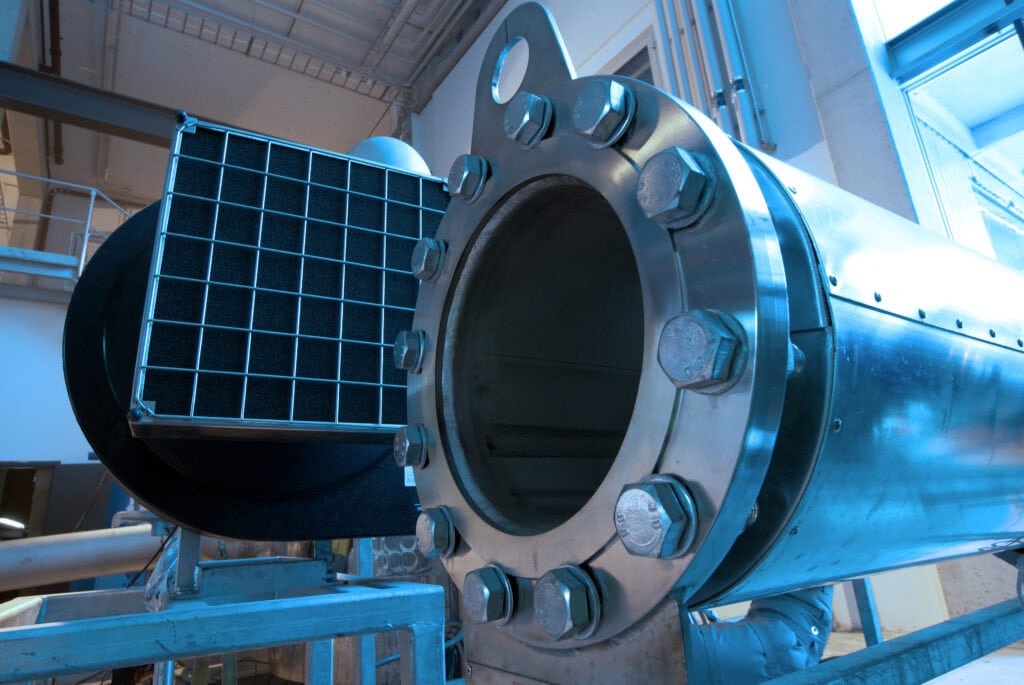
Every heating system has a heartbeat, and in most cases, it’s the heat exchanger. Whether it’s part of an industrial process line, an HVAC system, or a gas furnace, the heat exchanger quietly transfers heat where it’s needed most.
But when it starts to fail, that “quiet” becomes costly.
At Schmidt Industrial Services, we’ve spent decades repairing, rebuilding, and replacing heat exchangers for manufacturers, refineries, and food-processing facilities. From galvanic corrosion to cracked heat exchangers, we’ve seen the warning signs long before they turn into full-scale system shutdowns.
If your unit isn’t performing the way it used to, here are seven signs it’s time to schedule a professional heat exchanger repair and why Schmidt is the trusted partner for the job.
Table of Contents
- Visible Cracks or Rust Are Spreading
- Unusual Noises During Operation
- Drop in Efficiency or Uneven Heating
- Evidence of a Cracked Heat Exchanger
- Signs of Galvanic Corrosion
- Escaping Combustion Gases or Strange Odors
- Frequent Shutdowns or Tripped Sensors
- Why Early Heat Exchanger Repair Saves More Than Money
1. Visible Cracks or Rust Are Spreading
Small cracks on the tube sheet or rust along weld seams are never cosmetic. They’re often early indicators of corrosion or metal fatigue caused by high-temperature cycles and chemical buildup. When left unchecked, those cracks widen, allowing combustion gases or working fluid to leak into areas they shouldn’t.
This is where Schmidt’s welding and fabrication expertise makes a difference. Our team inspects the entire exchanger assembly, identifies visible cracks, and performs targeted exchanger repair or retubing to prevent further damage before it compromises efficiency or safety.
If you’re seeing surface rust, cracking, or weld failures, don’t wait until they spread. Schmidt’s welding and repair teams can assess the damage, reinforce critical joints, and restore strength before a shutdown becomes unavoidable.
2. Unusual Noises During Operation
If your furnace’s heat exchanger suddenly starts making rattling or popping sounds, don’t ignore it. Those unusual noises often indicate that thermal stress is flexing internal components beyond their tolerance. That kind of gradual deterioration is common when high temperatures cause expansion and contraction over the years of use.
Technicians at that point will use specialized equipment to perform combustion analysis and pinpoint the locations of vibrations and leaks within the exchanger. By repairing worn sections early, you avoid the expense of replacement or an entirely new furnace later.
Strange vibrations or rattling don’t fix themselves. Work with Schmidt’s production facility asset management to diagnose mechanical imbalance, rebuild worn internals, and return your exchanger to stable, smooth performance.
3. Drop in Efficiency or Uneven Heating
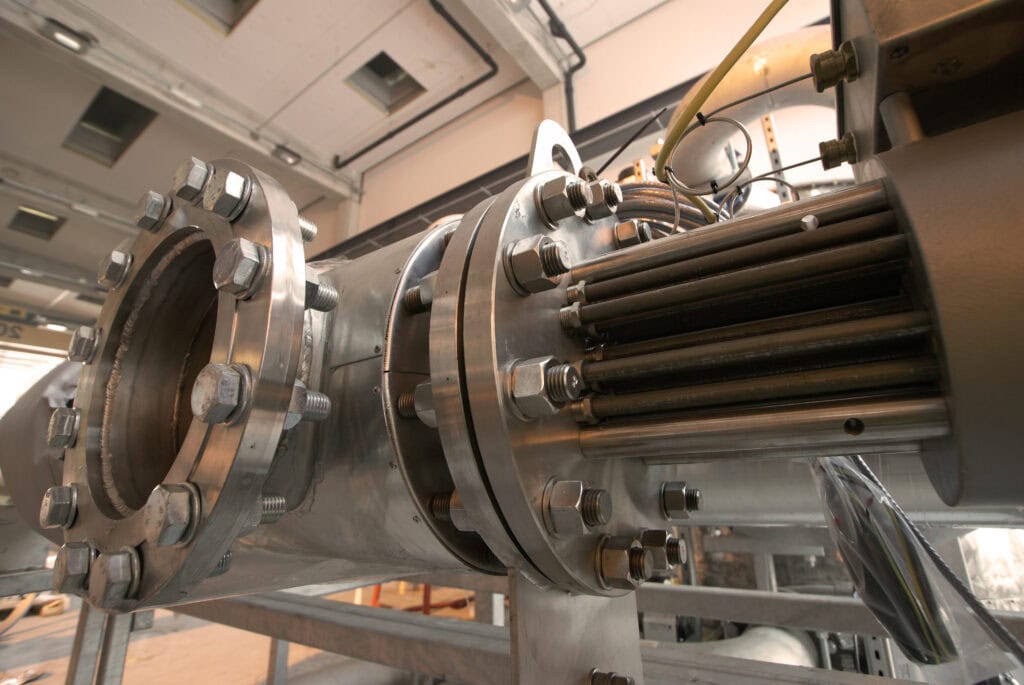
One of the most common symptoms of heat exchanger failure is uneven or delayed heating. When airflow through the exchanger is restricted by debris, scale buildup, or leaks, the system has to work harder to reach target temperatures. You’ll notice inconsistent warmth, spikes in energy cost, and declining performance.
That’s why it’s crucial to get detailed inspections and heat exchanger repairs to restore balanced airflow, clean internal passages, and return your HVAC system to optimal operation. But of course, regular maintenance is always the most cost-effective option compared to reactive replacement.
From our experience, when efficiency slips, it can be a sign that core components are wearing unevenly. Our metal fabrication and rolling and forming capabilities allow us to rebuild or replace damaged tube sheets, shells, and panels with precision-fit parts designed for maximum heat transfer efficiency.
4. Evidence of a Cracked Heat Exchanger
A cracked heat exchanger is more than a serious issue; it’s a safety hazard. When cracked heat exchangers develop, they can allow carbon monoxide, an odorless and dangerous gas, to leak into your living space or production area. In industrial settings, this can also lead to contamination of the combustion chamber and reduced protection for other components.
If you suspect a cracked heat exchanger, shut the furnace down immediately and call a professional. You’ll want to perform an on-site inspection, pressure test, and repair evaluation to determine whether repair or replacement is the best course of action. When safety’s on the line, experience matters.
Safety can’t wait. If you suspect a cracked heat exchanger or gas leakage, call Schmidt’s repair and refinery turnaround specialists to restore safe operations fast.
5. Signs of Galvanic Corrosion
In mixed-metal exchangers, galvanic corrosion can quietly eat away at tubing and steel plates where dissimilar metals meet. This type of degradation often goes unnoticed until leaks or efficiency drops become obvious.
Galvanic corrosion spreads quickly when dissimilar metals come into contact with moisture and heat. In many cases, our integrated ERS coatings team can apply corrosion-resistant finishes that extend service life by years, saving you the expense of a new heat exchanger.
Explore our industrial coating solutions to protect exchanger surfaces, eliminate corrosion pathways, and dramatically extend equipment life.
6. Escaping Combustion Gases or Strange Odors
If your facility smells faintly of burning or exhaust when the heating cycle starts, your combustion process may be compromised. Leaks of flue gases or combustion gases inside a furnace can signal a failed seal or small fracture in the exchanger body. These leaks not only affect efficiency but can also expose staff to safety hazards, such as carbon monoxide buildup.
Leaks are symptoms of a more profound mechanical imbalance or pressure stress.
7. Frequent Shutdowns or Tripped Sensors
When a furnace or heating system shuts off unexpectedly, it’s often the exchanger’s built-in safety sensors doing their job. Repeated shutdowns indicate overheating, poor air flow, or gas imbalances; all symptoms of internal cracks or failing components.
Schmidt Industrial Services provides full heat exchanger repair, re-tubing, and diagnostic support to bring your unit back online safely. Our technicians verify each system is installed correctly, test for high concentrations of harmful gases, and ensure the combustion process is balanced before sign-off.
If shutdowns keep interrupting production, it’s time to rebuild confidence in your system. Schmidt’s machining and fabrication experts can rebuild critical exchange surfaces or manufacture replacement components without the cost of an entire system replacement.
Why Early Heat Exchanger Repair Saves More Than Money
Waiting for a cracked heat exchanger to fail isn’t just risky; it compounds every problem connected to your heating system. As damage progresses, surrounding components start failing, airflow becomes restricted, sensors begin tripping more frequently, and the entire furnace is forced to work harder to compensate.
That leads to high-temperature stress across the entire furnace, increased energy consumption, and accelerated wear elsewhere. What could have been a simple weld repair or tube replacement becomes extensive damage requiring a full replacement. The difference between a cost-effective fix and a catastrophic heat exchanger failure usually comes down to timing.
At Schmidt Industrial Services, we see this pattern constantly. Companies often call us after months of symptoms they dismissed as “minor.” By then, exchanger repair takes longer, requires more materials, and results in more downtime. Acting fast protects equipment, people, and profitability, and it’s almost always the more cost-effective option.
Extending the Life of Heat Exchangers in Corrosive Environments
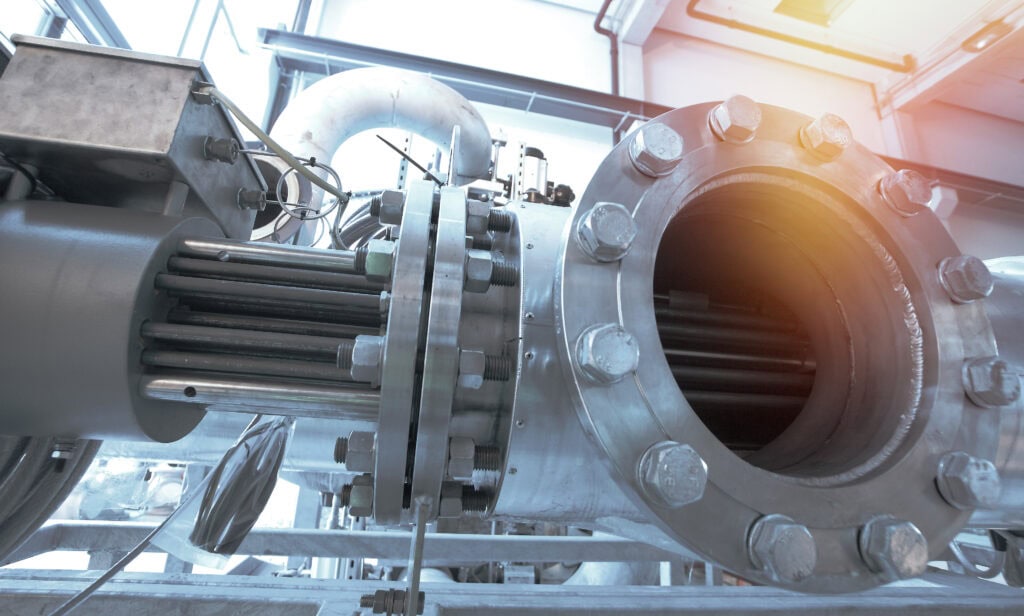
Industrial heat exchangers operating in brackish water or corrosive process environments face constant degradation. Channel heads, covers, and other pressure-retaining components are especially vulnerable to corrosion, erosion, and mechanical damage that can compromise performance and reliability. At Schmidt Industrial Services, we help asset owners restore and extend the service life of these critical components through fully integrated repair capabilities.
One Partner, End-to-End Repair Solutions
What sets Schmidt Industrial Services apart is our ability to manage complex heat exchanger repairs in-house—from initial assessment to final protective coating. Our integrated approach reduces turnaround time, improves quality control, and ensures every repair is engineered for long-term performance in harsh environments.
Our core capabilities include:
Metal Fabrication
We repair and rebuild damaged channel heads and covers using high-quality alloys selected for corrosion resistance and structural integrity. From section replacement to full component refurbishment, our fabrication team restores components to meet or exceed original specifications.
Precision Machining
Corrosion and wear often compromise gasket surfaces, nozzle connections, and sealing faces. Our precision machining capabilities allow us to restore critical tolerances, flatness, and surface finishes required for proper sealing and pressure containment.
Anti-Corrosion Coatings
To protect repaired components from future exposure, we apply advanced anti-corrosion coating systems specifically suited for brackish water and chemically aggressive environments. These coatings provide an additional barrier against corrosion, helping extend service intervals and reduce lifecycle costs.
Designed for Harsh Operating Conditions
Repairs performed by Schmidt Industrial Services are well-suited for equipment exposed to:
- Brackish or seawater
- High-chloride environments
- Chemical process fluids
- Moist or cyclic operating conditions
By combining mechanical restoration with protective coatings, we help mitigate the root causes of premature failure, not just the symptoms.
A Smarter Alternative to Replacement
Replacing heat exchanger components can be costly and time-consuming. Our repair solutions offer a cost-effective alternative that minimizes downtime while restoring reliability. Whether addressing localized corrosion or widespread material loss, Schmidt Industrial Services delivers repairs that support safe, efficient operation.
To learn more about our heat exchanger repair capabilities and how our integrated services can support your operation, visit www.wasinc.com.